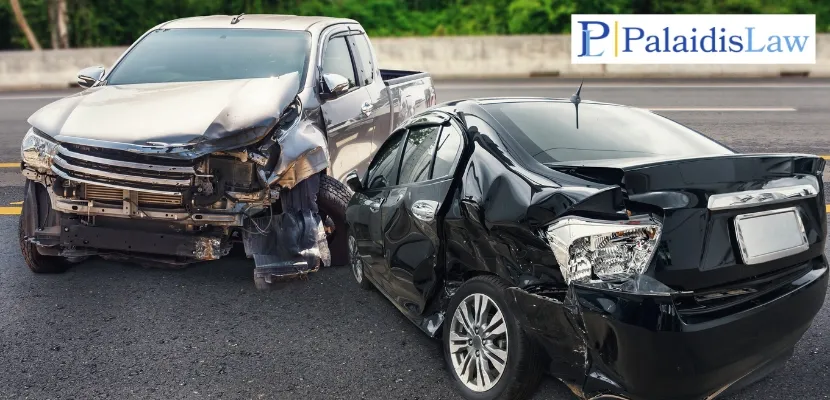

If a Waymo robotaxi hits you or someone you love in Florida, you are dealing with a type of crash that insurance adjusters and courts are still figuring out. There is no driver to blame in the usual sense, and that confusion can make you feel like you are on your own. You are not.
Florida law does answer who counts as the “driver” of a self-driving car, and that answer shapes who pays for your injuries. Figuring out who is liable if a Waymo hits you in Florida usually means looking at a few parties. The company operating the vehicle is one. So is whoever maintains it, along with any other driver who played a part in the crash.
Palaidis Law, P.A. helps injured Floridians sort out exactly these questions.
Is a Waymo Even Likely to Be Involved Where You Were Hit?
Waymo’s driverless service reached Miami in early 2026 and has been expanding steadily since, adding neighborhoods and highway routes across South Florida. The expanded coverage area now reaches neighborhoods including North Miami Beach, Biscayne Park, Miami Shores, Little River and Miami Gardens.
That growth puts the service closer to Broward County every few months. A crash involving one of these vehicles on a Fort Lauderdale-area road or highway on-ramp is no longer a far-off scenario.
Waymo confirmed that it is adding select highway travel to its Miami operations, with routes including portions of Interstate 95, State Road 836, and State Road 826.
Riders, other drivers, cyclists, and pedestrians across the region can all end up in a collision with one of these vehicles. The service area keeps shifting, so the facts of where and how the crash happened matter from day one.
Who Florida Law Says Is “Driving” a Fully Autonomous Car
Florida’s autonomous vehicle law answers a narrow question: who is operating the car for traffic-law purposes. Under that law, the automated driving system itself is deemed the operator whenever it is engaged, whether or not anyone sits in the vehicle. That rule lets Waymo run its cars on Florida roads without a licensed human behind the wheel.
It does not, by itself, decide who owes you money after a wreck. Civil liability still depends on ordinary negligence rules: who had a duty, who broke it, and whose failure caused your injury.
Who Can Actually Be Held Responsible
A Waymo crash can point toward more than one responsible party, and sorting them out is rarely simple. Depending on how the crash happened, you may have a claim against:
- The company operating the vehicle as part of its ride network, when the automated driving system made a decision that caused or contributed to the crash.
- The business responsible for maintaining the vehicle, if poor upkeep such as worn brakes or a damaged sensor played a role.
- Another driver, cyclist, or pedestrian, when a third party’s own carelessness caused or added to the collision.
Naming the wrong party, or leaving one out, can make part of your claim uncollectible even when the facts are on your side.
How Insurance Actually Pays Out After a Robotaxi Crash
Florida is a no-fault state, so your own car insurance is usually the first stop regardless of who caused the crash. Your Personal Injury Protection (PIP) coverage pays a share of your medical bills and lost wages up front, before anyone argues about fault. Waymo’s vehicles carry more coverage than an everyday driver’s vehicle does.
A fully autonomous vehicle logged on to an on-demand network must carry primary liability coverage of at least $1 million for death, bodily injury, and property damage. That policy becomes relevant once your injuries are serious enough to step outside the no-fault system and pursue the at-fault party directly.
Why Florida’s Shared-Fault Rule Still Applies to a Driverless Crash
Removing the human driver from the vehicle does not remove you from Florida’s comparative fault framework. Under Florida’s comparative fault statute, a jury can still assign you a share of the blame for a crash involving a self-driving car, just as it would in any other wreck.
Since 2023, that rule has real teeth. A plaintiff found more than 50% at fault for their own harm cannot recover any damages at all. Anyone at 50% or less has their award reduced by their percentage of fault.
Insurance companies know this rule well, and a self-driving car crash gives them a new argument: that you should have anticipated or avoided an automated vehicle’s behavior.
The Evidence Edge Most Crash Victims Don’t Know About
A Waymo vehicle records far more than a typical car. Its cameras, radar, and lidar create a continuous data trail of the seconds before a crash. In addition, federal crash-reporting rules for automated vehicles require the operator to report serious incidents to safety regulators.
That data can show exactly what the system saw and did, often with more precision than a police report or a witness statement ever could.
Frequently Asked Questions
Can I sue Alphabet or Google directly after a Waymo crash?
Not automatically. Waymo’s parent company is not a proper defendant just because it owns the brand. A claim against it generally needs evidence of direct involvement or control over the specific vehicle or decision that caused your crash. An attorney can review your case facts to see whether that evidence exists before any such claim is filed.
What if I was a passenger inside the Waymo when it crashed?
As a passenger, you generally have a straightforward injury claim, since you did not contribute to causing the crash in most cases. Your claim would typically run against the vehicle’s liability policy, the same $1 million coverage required for on-demand autonomous vehicles.
Does it matter if I was a cyclist or pedestrian instead of another driver?
Yes, and often in your favor, since you were not operating a vehicle that could have contributed to the crash in the same way. Florida’s shared-fault rules still apply, but a cyclist or pedestrian struck by an automated vehicle typically starts with less exposure to a fault argument than another motorist would.
Could a software bug turn this into a product liability case?
It can, if the evidence shows the automated driving system itself malfunctioned rather than reacted reasonably to the situation in front of it. That kind of claim runs on different legal grounds than an ordinary negligence case and often needs the vehicle’s own sensor and software data to prove.
How long do I have to file a claim after a Waymo accident in Florida?
Most negligence-based injury claims in Florida must be filed within two years of the crash. HB 837, effective March 24, 2023, cut Florida’s general time limit for negligence claims from four years to two, now found at Florida Statute § 95.11(5)(a). Waiting too long can permanently bar your claim, so it helps to request a consultation well before that deadline approaches.
Contact a Florida Autonomous Vehicle Accident Attorney at Palaidis Law, P.A.
Getting hit by a vehicle with no one behind the wheel leaves you with questions that do not have obvious answers. Finding those answers is the heart of this kind of claim. Sorting out which company, policy, or driver is responsible starts with the same groundwork as any other crash claim.
If a Waymo or another autonomous vehicle hit you in Florida, you do not have to sort out the insurance maze by yourself. Contact our firm today to talk through what happened and what comes next.