
954-828-0848Call Us for Your Consultation

Police in Florida owe a duty of care to the general public – including the people they place under arrest. Once law enforcement officers take suspects into custody, they must protect these individuals from further injuries, offer medical assistance when needed, and prevent them from self-harm. Often, police officers in Florida fail to exercise this duty of care – and they may subsequently face police brutality lawsuits as a result. Plaintiffs who believe that they were victimized by police brutality may wish to contact Palaidis Law to review the circumstances of their case and discuss their most appropriate course of legal action.
Call us Today 954-828-0848
Injuries caused by police officers are often the result of excessive force. Police officers must restrain themselves and use only the degree of force that is appropriate for the situation at hand. If someone does not present an obvious threat, there is no excuse to cause serious injuries in the name of protecting public safety.
For example, an elderly drug addict might have accidentally trespassed on private property. If this individual is not actively threatening violence and is ready to comply with verbal commands, there is no reason to tackle them to the ground. This type of force is only acceptable if the suspect resists arrest or fights back in a way that is likely to cause harm. If the individual apprehended by police suffers traumatic head injuries and fractures due to excessive force, the law enforcement officer or officers involved may be held accountable.
While tasers are often described as “non-lethal,” the truth is that they are capable of killing suspects. Countless examples have shown that these electrical weapons can cause innocent people to suffer cardiac arrest and other serious injuries. Often, individuals seize up after being hit with a taser, causing them to fall to the ground and suffer a range of injuries as they impact the concrete. Tasers thus present substantial risks not only by the electrical charge they apply on contact, but in the immediate aftermath of the tasing incident.
Whether police cause injuries or not, they are legally obligated to provide access to medical treatment as quickly as possible for people in their custody. Most police officers are trained to provide basic medical aid. Recent history bears witness, however, that all too often they stand idly by while suspects beg for help – not only failing to administer aid directly, but also failing to call first responders in a timely manner. Sometimes, these victims beg for help while suffocating under the knee of a police officer.
The use of police dogs is one of the oldest and most brutal forms of law enforcement. Police dogs are specifically trained to attack on command, at times causing horrific injuries and serious psychological trauma. Despite the training of both officers and service dogs, police often struggle to call off dogs once they begin to bite and maul victims.
The bites inflicted in these incidents have the potential to be fatal. Even when the attacked suspect survives, the bites may lead to permanent, disfiguring scars. In addition, even the most well-trained police dog’s ability to distinguish clearly between legitimate suspects and innocent bystanders is not infallible. K-9 units thus present the specter of unacceptable levels of collateral damage.
Pepper spray is another example of a non-lethal weapon that can be incredibly harmful to ordinary, innocent people in Florida. This is a common weapon used in riot control applications – even against people who are exercising their constitutional rights to protest and free speech, yet it is far from harmless.
In addition to its irritant effects on those directly targeted, pepper spray can also be very difficult to control. A police officer might inadvertently injure entire crowds of people due to the imprecise nature of this weapon. Pepper spray can temporarily blind people, while causing excruciating pain that lasts for many hours.
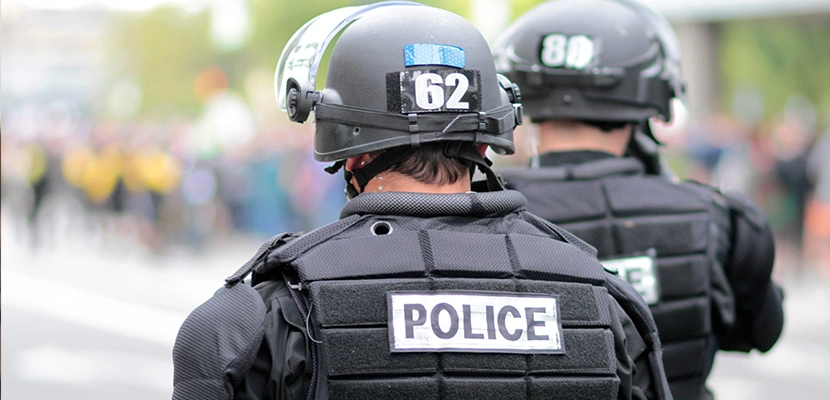
There are many other weapons police officers utilize in crowd control. These include:
All of these weapons can cause serious injuries or death. Water cannons can fling people through the air, causing head injuries and fractures. Paintball rounds can strike people in the eyes, causing blindness. Bean bag rounds can trigger cardiac arrest if they strike the chest. Batons can easily be fatal, while sonic warfare can lead to permanent issues like tinnitus, negatively impacting the affected person’s quality of life. Police officers may be eager to deploy stun grenades and tear gas due to the widespread practice of supplying domestic law enforcement through military surplus contracts. This type of force merits serious scrutiny when it is used against Florida residents exercising their First Amendment rights.
Family members who have lost loved ones to questionable police incidents have every right to explore the possibility of wrongful death lawsuits. If it becomes clear that the police committed acts of gross negligence, surviving family members may be able to work with Palaidis Law to pursue compensation for their damages. These damages might include funeral expenses, unpaid medical expenses, missed future wages, and a host of non-economic damages.

Incidents of police brutality may be especially pernicious when they begin with a violation of the victim’s Constitutional rights. Police must have probable cause or reasonable suspicion of a criminal act before attempting to detain suspects in Florida. In other words, law enforcement officers must have a legitimate reason to believe any individual they detain was involved in criminal activity. They cannot simply arrest individuals on a whim. Any injuries that occur as the result of an officer’s violation of an individual’s Constitutional rights may form the basis of police misconduct lawsuits.
Talk to an Attorney Before Accepting Any Settlement.

While police officers enjoy a certain degree of protection thanks to qualified immunity, they are not completely invulnerable to legal action. Many past lawsuits in Florida have successfully enforced consequences for police officers who have committed misconduct while in the field. The public law enforcement officers are sworn to protect and serve should not fear injury from those tasked with their protection. Florida residents who have been injured in a policy brutality incident may wish to reach out to Palaidis Law. Call 954-828-0848 to book a free consultation to discuss your case.


They're the best!!! They make the impossible possible and are always there to help!!! Thank you George and Omar!!! ✨
I highly recommend George Palaidis! We at James Club Recovery, a certified program in Broward County, have worked with George Palaidis, on numerous occasions and have had tremendously successful outcomes.…
If I could give this firm 100 stars, I would. I don’t think words can describe the wonderful person and amazing attorney George is. His firm helped my family out…
Had a great experience with George. Extremely professional, responds in a timely manner, and was there to help through the entire case. Would definitely recommend to anyone. Thanks George!
George is AMAZING! My experience with Palaidis Law was nothing short of perfect; George explained everything to me in plain language, answered all my questions, and got my case dismissed…
A crash can leave you facing medical bills, missed work, and an insurance company that is in no hurry to treat you fairly. Palaidis Law, PA works on contingency, so you pay nothing unless we recover for you. Contact us today for a free, confidential consultation and find out where you stand.



2550 N Federal Highway, Suite 13
Fort Lauderdale, FL 33305

Call Us for Your Consultation
Copyright © 2026 Palaidis Law • All Rights Reserved. Disclaimer | Site Map | Privacy Policy. Digital Marketing By: 
*Images are obtained under license from Canva and other third-party stock image providers, with attribution included where required.